
The rumors about the OpenAI Jony Ive collaboration are finally true. In a surprise appearance at the Emerson Collective 2025 Demo Day in San Francisco today, Sam Altman confirmed they have a working prototype of their first AI hardware device.
After months of speculation and a massive $6.5 billion acquisition of Ive’s startup “io,” the duo gave us our first verbal glimpse of the gadget. The verdict? It’s not a phone. It’s not a pair of glasses. It is a “calm, screenless” device designed to replace the chaos of the smartphone era.
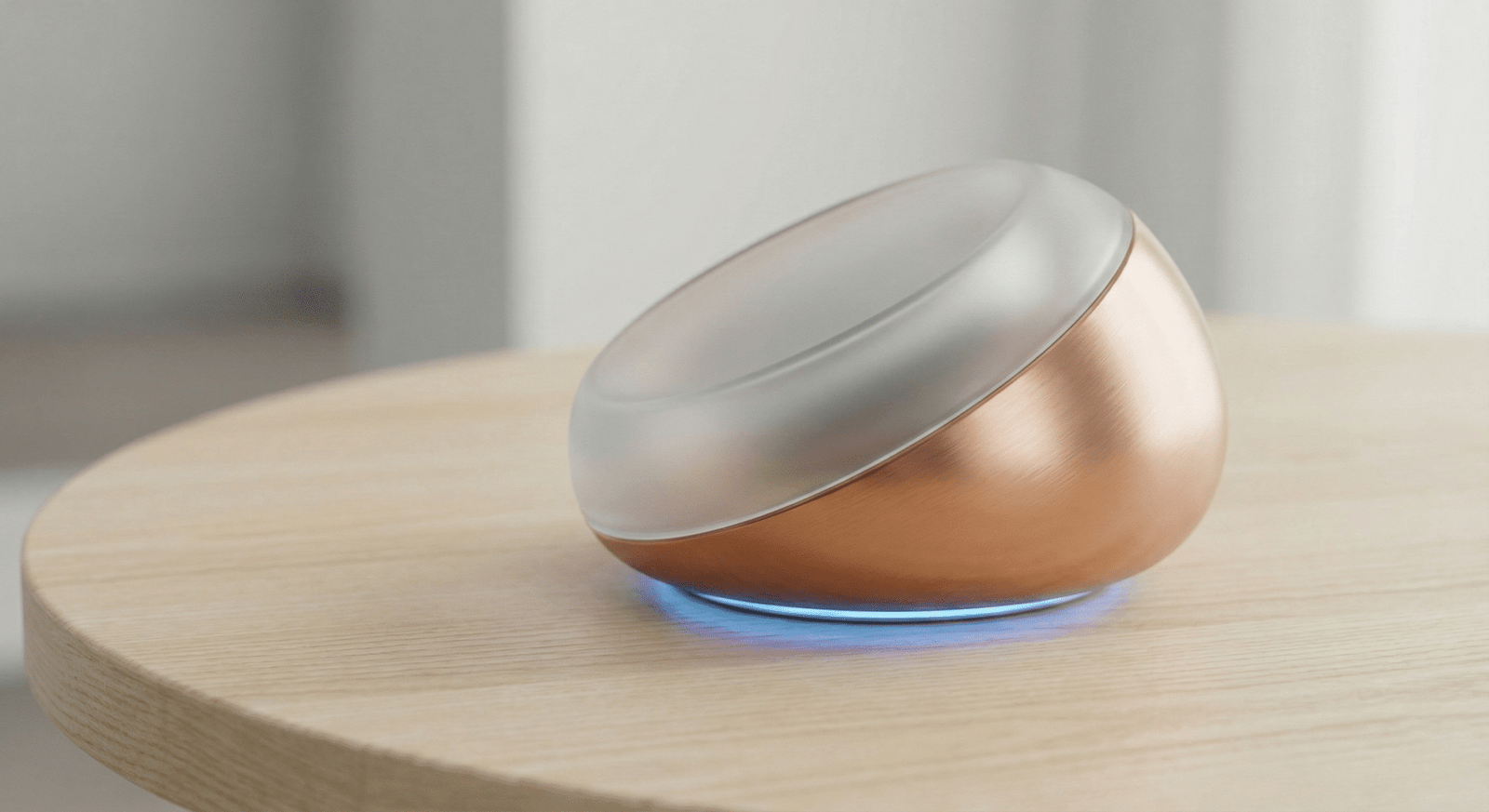
The OpenAI Jony Ive Design Philosophy
While they didn’t hold the device up for the cameras, Altman described the prototype’s philosophy in striking detail. He criticized modern smartphones for being “dopamine-chasing” machines that feel like “walking through Times Square.”
In contrast, the new OpenAI Jony Ive device is designed to feel like “sitting in a beautiful cabin by a lake.”
- Form Factor: Pocket-sized and “screenless.”
- Interface: Voice-first, relying on advanced ambient computing (likely powered by GPT-5/Sora).
- Launch Window: Jony Ive confirmed it could arrive in “less than two years,” putting the release date around 2026-2027.
Watch: Sam Altman and Jony Ive discuss the “calm” philosophy behind their new device.
The “Third Device” Strategy
Tech analysts have been scratching their heads about where this fits. If it doesn’t have a screen, how do you use it?
Altman clarified that this is not a smartphone killer—at least not yet. He positions it as the “Third Core Device” in your life, sitting alongside your iPhone and your MacBook. It handles high-level intelligence tasks (booking flights, summarizing meetings, creative brainstorming) without forcing you to doom-scroll.
The $30 Billion Bet: Why This Might Succeed
We have seen “Screenless AI” fail before (remember the Humane AI Pin and Rabbit R1?). Why is the OpenAI Jony Ive project different?
1. The Talent: The team didn’t just hire Jony Ive; they poached nearly 40 top hardware engineers from Apple, including Tang Tan (former VP of iPhone design) and Evans Hankey. This is the “iPhone Dream Team” reunited.
2. The Brain: Unlike the Rabbit R1, which relied on slow, laggy models, this device will likely run on a dedicated version of GPT-5 optimized for “zero-latency” voice interaction. With SoftBank backing the project with billions, the compute power behind this tiny puck will be unmatched.
Developer Analysis: A New OS for AI?
For developers following the OpenAI Jony Ive ecosystem, the biggest news wasn’t the hardware—it was the software. Hints from the “io” trademark filings suggest this device will run a new AI-Native OS.
If OpenAI opens an SDK for this device, we won’t be building “Apps” with buttons and menus. We will be building “Agents” that live quietly in the background, waiting for the user to ask for help. This completely changes the UI/UX game from “Visual Design” to “Intent Prediction.”
Verdict: Vaporware or Revolution?
Jony Ive described the final design as “almost naive in its simplicity.” Whether that simplicity can survive the complex reality of daily life remains to be seen. But with Apple’s hardware team building the body and Sam Altman’s brain building the mind, this is the most credible threat to the smartphone ecosystem we have seen in 15 years.
Ultimately, this partnership represents the biggest gamble in hardware since the original iPhone.
Frequently Asked Questions (FAQ)
What is the new OpenAI Jony Ive device?
It is a rumored screenless AI wearable or pocket device designed to provide a “calm” computing experience, acting as a smart assistant without the distractions of a smartphone screen.
When will the OpenAI device be released?
Jony Ive confirmed at the 2025 Demo Day that the device could launch in “less than two years,” likely targeting a late 2026 or 2027 release.
Is it a phone replacement?
No. Sam Altman describes it as a “Third Device” that complements your phone and laptop, rather than replacing them entirely.
Who is designing the device?
The OpenAI Jony Ive device is being designed by LoveFrom, the studio founded by Ive (designer of the iPhone), in collaboration with OpenAI’s new hardware team led by former Apple executives.